
Regulatory, spectrum, and orbital analysis for satellite systems.
Apogee Ventures provides regulatory and technical advisory services for satellite systems: FCC and ITU requirements, licensing and registrations, spectrum and bandwidth planning, interference and spectrum-sharing analysis, and orbital debris compliance.
Orbit • Spectrum • Policy
Typical starting points
Most engagements begin with one of these.
- Part 100 application or modificationBefore filing
Schedule O and F, the orbital debris showing, the sharing analysis, and the milestones have to be consistent with each other before counsel files.
- Market access or ITU filingPriority date at stake
API, coordination, and notification filings through the FCC, and the bring-into-use milestones that preserve them.
- Bandwidth allocation decisionFrequency plan lock
Which bands, how much bandwidth per beam, what reuse, and which interference limits apply. The plan has to satisfy both the business case and the coordination.
- Rulemaking comment deadlineDocket open
Spectrum Abundance, the GSO/NGSO sharing rules, SCS, the five-year rule. Technical exhibits for comments and reply comments.
- Direct-to-device partnershipBefore the lease
SCS authorization, the carrier's spectrum holdings, out-of-band emission limits, and the link budget that sets messaging or data capacity.
- Investor or board questionDiligence period
What the authorization is worth, what the milestones require, and where the interference and disposal risks are.
Services
Fixed price for bounded work, a monthly retainer for ongoing work. Every engagement is quoted in writing before work starts.
Part 100 space and earth station applications, market access, SCS authorizations, and ITU filings through the FCC. An application roadmap, a milestone calendar, and the technical narrative counsel files.
Band selection, bandwidth per beam, reuse, and capacity, checked against the sharing rules and the coordination the plan will require.
PFD, EPFD, and performance-criteria showings; GSO/NGSO and NGSO/NGSO coordination positions; SCS out-of-band emission analysis. Reproducible models and a memo written for the record.
Five-year rule, collision risk, casualty risk, and disposal reliability analysis for the debris mitigation showing.
Comments and reply comments with technical exhibits, ex parte support, WRC-27 positioning, and docket monitoring.
Regulatory diligence on authorizations, milestones, and spectrum rights for investors; attendance at coordination meetings, hearings, and board meetings.
Apogee handles the regulatory work and the engineering analysis behind it: what the rules permit, what the physics allows, and how to file, allocate, and coordinate within both.
Reference
Reference material Apogee maintains for its own work, updated as the rules change.
Spectrum reference
Every satellite allocation from 600 MHz to the D-band: what is allocated, who holds it, what was sold, and what is opening.
Regulatory timeline and pipeline
Authorizations, FCC rules, allocation, and ITU dates from 2018 to 2030, with every band still to be allocated and its deadlines.
Toolkit
Filing systems, regulatory sources, analysis software, and the licenses a mission needs.
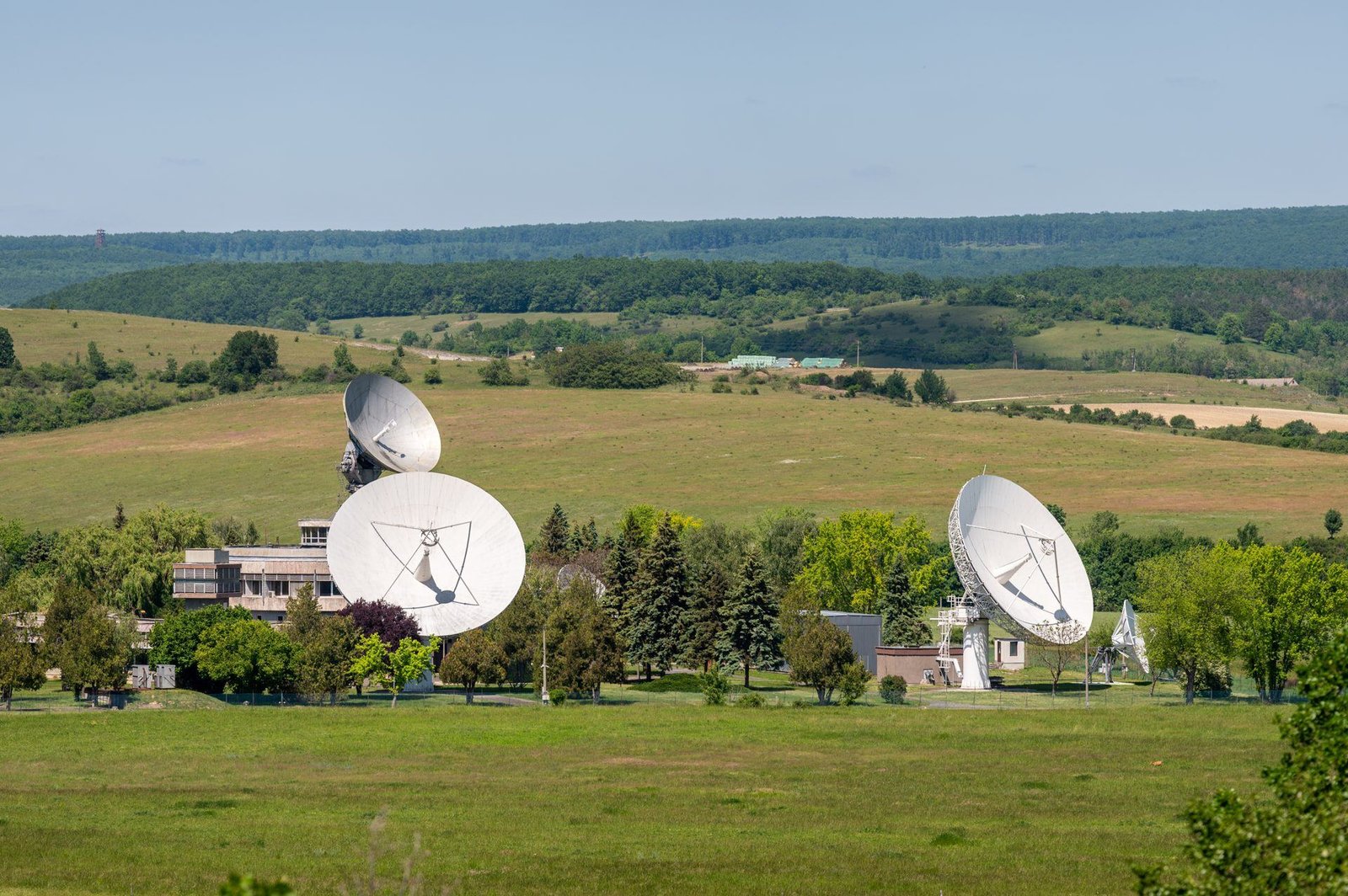
Who Apogee works with
The regulatory bodies and agencies Apogee has worked with.
Regulatory bodies and agencies
Federal Communications Commission
Space and earth station applications, modifications, and market access petitions under part 100, the technical showings behind them, and comments in Space Bureau and Wireless Bureau dockets.
National Telecommunications and Information Administration
Coexistence and relocation analysis for the federal bands in the spectrum pipeline, and comments in NTIA proceedings.

International Telecommunication Union
Sharing and compatibility studies for Working Parties 4A and 7B, and API, coordination, and notification filings submitted through the FCC.
NOAA
Commercial remote sensing licensing determinations, TraCSS onboarding, and the meteorological-satellite bands touched by the 1675-1680 MHz reallocation.

NASA Launch Services Program
Launch and payload interface work: FAA part 450 approvals and the FCC and ITU authorizations for command, telemetry, and payload frequencies alongside the manifest.

National Science Foundation
Radio astronomy protection: aggregate interference and EPFD analysis in the passive bands, and coordination with NSF-funded observatories and the National Radio Quiet Zone.
Start a conversation
Describe the situation and the deadline.